
EXCLUSIVE INTERVIEW
Ulviyya Kazimova:
A Life Dedicated to Piano, Education, and Culture
Conducted by Guillaume Jean Lefebvre
1. Could you please introduce yourself by sharing your full name and, if you wish, the meaning or origin of your first name?
Ulviyya Kazimova (born 12 October 1983, Baku, Azerbaijan) Azerbaijani pianist, composer, and Doctor of Philosophy (PhD) in Art Studies. Since 2017, I have been the Chair of the Piano Department Subject Commission at the Music College under the Azerbaijan National Conservatory. I am a laureate of international competitions.
The name Ulviyya is a silent but deep embodiment of purity, cleanliness and sublime feelings in the inner world of a person.
2. What personal values or beliefs guide your decisions and your career today?
My inner voice, I would say, is aesthetic taste and honesty. This is the main principle that guides me in all areas of my life. I am looking for beauty everywhere, in every thought, in every place I touch.
3. Have you ever experienced a moment of doubt or failure that transformed you? What did you take away from it?
I think this understanding began in my life during the pandemic. People around me were getting sick, negative news was increasing, the number of people passing away was increasing. Then I realized that for us only today exists and we should know its value, increase our sense of gratitude. We should be able to be happy with what we have.
Yes, maybe I wanted to make everything perfect before. But after that time, I learned to stop thinking too much and appreciate it by staying in the moment. I started live broadcasts with my own viewers, played music, and at home, I started playing film music that came to my mind by placing my phone on a tripod. This experience took my creativity to a completely new level and directed my life in a different direction.
And I started to overcome some of my fears.
Of course, I also searched for ways that helped me, yoga, yoga and meditation helped me.
I started reading personal development books. I still don't stop now and I'm learning more.
So, I started meeting new people on this path.
4. Who has been your biggest inspiration or mentor in your professional or creative journey, and why?
First of all, I would like to say that I treat all my teachers with respect and love. During my years of study at the Baku Academy of Music, my teacher, Honored Teacher, Professor Saida Behbudova, was an example for me. (Unfortunately, she passed away last year.)
Despite our significant age difference, I was able to become friends with her, going beyond the student-teacher relationship. She not only taught me the magic of pianism, music, and voice, but also helped me to reveal my potential and be free on stage.
It was important for me to hear one word from him before going on stage. I remember when I was at the competition in Finland — I called him before going on stage and said: “Tell me one word.” And he told me: “Follow the music and listen to yourself.” With those words, I became a laureate and later performed at the concert.
Since I am constantly working on myself, I am currently learning a lot from YouTube channels and live performances: I can listen to my favorite pianists - V. Horowitz, D. Borenboim, M. Uchida, A. Schiff and others
Ulviyya Kazimova (born October 12, 1983, in Baku, Azerbaijan) is an Azerbaijani pianist, composer, and Doctor of Philosophy (PhD) in Art Studies. A laureate of international competitions, she has established herself as a respected figure in both performance and music education. Since 2017, she has served as Chair of the Piano Department Subject Commission at the Music College under the Azerbaijan National Conservatory, where she plays a key role in shaping the next generation of musicians.
Her first name, Ulviyya, reflects a quiet yet profound symbolism—an embodiment of purity, clarity, and elevated inner emotion. These qualities resonate strongly with her artistic identity and professional philosophy. Guided by aesthetic sensibility and honesty, she approaches every aspect of her life and career with a deep commitment to beauty—whether in sound, thought, or human connection.
A pivotal transformation in Ulviyya’s life occurred during the global pandemic. Surrounded by uncertainty and loss, she developed a renewed awareness of the present moment and the importance of gratitude. Previously driven by perfectionism, she learned to release excessive control and embrace spontaneity. During this period, she began live broadcasts for her audience, performing music from home, often improvising film soundtracks that came intuitively to her mind. These simple yet sincere performances marked a creative turning point, expanding her artistic freedom and leading her toward a more authentic mode of expression. Practices such as yoga, meditation, and continuous learning through personal development literature became integral to her growth, helping her overcome fears and open new paths—both personally and professionally.
Throughout her journey, mentorship has played a vital role. Ulviyya speaks with deep respect and gratitude for all her teachers, particularly Honored Teacher and Professor Saida Behbudova, who taught her at the Baku Academy of Music. Beyond the traditional student-teacher relationship, their bond evolved into a genuine friendship. Professor Behbudova not only refined her pianistic skills but also encouraged her artistic independence and stage freedom. One defining moment occurred during an international competition in Finland, when Ulviyya called her mentor just before going on stage and asked for a single word of advice. The response—“Follow the music and listen to yourself”—became decisive. She went on to win the competition and perform as a laureate. Today, Ulviyya continues to learn from the great masters by studying performances of pianists such as Vladimir Horowitz, Daniel Barenboim, Mitsuko Uchida, and András Schiff.
Among her most emotionally significant experiences was a creative trip to Soest, Germany, in May 2025. Invited to give a solo recital, she was later asked by the audience to present Azerbaijani composers. Embracing both the honor and responsibility, she designed a seminar titled “The Emergence of the First Music in Azerbaijan and the Development of Academic Music.” During a one-hour presentation at the two Gymnasium, she explored national scales, the transformation of mugham into piano music, the rise of jazz mugham and symphonic mugham, and the work of Azerbaijani composers—supported by live performances and audio examples. The audience’s engagement and curiosity left a lasting impression. She also acknowledges her father as a key influence in her life, from whom she learned discipline, courage, and a deep love of life. Her earliest teachers, however, were her parents—her mother teaching her how to read and draw, laying the foundations for creativity from an early age.
Often perceived as strict or distant, Ulviyya recognizes that this impression stems from her introspective nature and high standards. While she is indeed demanding, she also describes herself as soft-hearted and deeply reflective. To maintain balance in a demanding environment, she prioritizes mental and emotional well-being through daily rituals: walking her small dog Muffin, spending time by the sea, practicing yoga and meditation, dancing, and allowing herself moments of complete disconnection from digital life.
Creativity extends beyond music in her daily life. She has been drawing since childhood, particularly working with oil paints, and maintains a strong interest in visual aesthetics. While she does not define herself as fashion-focused, she follows trends and believes in a timeless style that combines quality, functionality, and taste. She occasionally shares styling content and is currently developing a new creative project: a brand called “Unison,” featuring everyday bags designed to be both practical and elegant for musicians and creative professionals.
For Ulviyya Kazimova, success is rooted in discipline, continuous self-improvement, and openness to innovation. She believes that true competition exists only with oneself, not with others, as every artist has a unique rhythm and path. Her long-term vision is centered on education and cultural contribution—raising interest in academic music, enriching student repertoires with contemporary works, and fostering a deeper appreciation for musical heritage.
If she could address her younger self, she would offer reassurance and courage: to trust ideas, embrace challenges, and recognize that difficulties are a source of strength. Each completed stage is met with quiet gratitude and self-acknowledgment.
In one word, Ulviyya Kazimova wishes to be remembered as a “Master.” For her, mastery goes beyond excellence—it means guiding, inspiring, teaching, and generously sharing knowledge in service of culture and humanity.


INTERVIEW
5. Is there a project or experience that had a strong emotional or personal impact on you?
Yes, I have a memorable experience. My creative trip to Soest, located in the German state of North Rhine-Westphalia in May 2025, was special for me. I had received an invitation there for a solo recital and my program was already ready. But later I received an e-mail that the audience wanted to hear about Azerbaijani composers. This news both pleased me and gave me a sense of responsibility.
In turn, I named the topic of the seminar “The emergence of the first music in Azerbaijan and the development of academic music”. During the extensive, one-hour seminar at the 2nd Gymnasium, I talked about national scales, the transition of our mughams to piano music, the emergence of jazz mugham, symphonic mugham, and composers. I performed musical samples and presented them to the audience in the hall with audio recordings. The interest of people, the questions they asked, and the attention they showed were very impressive to me. I should also mention my father, from him I learned to love life, stick to my regimen, and be brave.
As for teachers, my first teachers were my parents. Although it may sound commonplace my mother taught me to read and draw.
6. What is one common misconception people may have about you?
An interesting question.
Sometimes they consider me too strict and demanding, it is true, I am a demanding person, but sometimes I catch myself in moments when I feel very soft-hearted.
Sometimes I hear that they think I am cold and distant. This is probably related to my introspective nature. I like to follow my own thoughts more, I can be caught up in the flow of thoughts.
7. How do you take care of your mental and emotional well-being in such a fast-paced and demanding environment?
I have a small dog, named Muffin. I take him for a walk in the mornings, and it gives me both physical and mental peace, because I also love nature. I often go to the seashore, talk to the sea. I manage to take time for myself — yoga, meditation, sometimes I dance. I can even turn off my phone and throw it away, that is, I manage to stay completely “offline”, and I am even known for being late in responding to messages.
8. Outside of your work, what role do creativity, fashion, or art play in your daily life?
And most importantly: I try to see the positive in everything. I approach it with humor, sometimes I can laugh at myself. I try to live life both seriously and lightly.
Do I have a special interest in fashion?
I follow the latest trends and consider myself a stylist. Sometimes I also make “get ready with me” style clothing videos, when I have time, of course.
9. How do you define success today? Has that definition changed over time?
I have a hobby since childhood: drawing. I especially love working with oil paints.
And I will tell you something new: I am thinking of creating a brand called “Unison”. Here I have designed everyday bags that can be both comfortable and stylish for musicians and creative people. I will probably start working on it soon, and there are people who will help and support me in this.
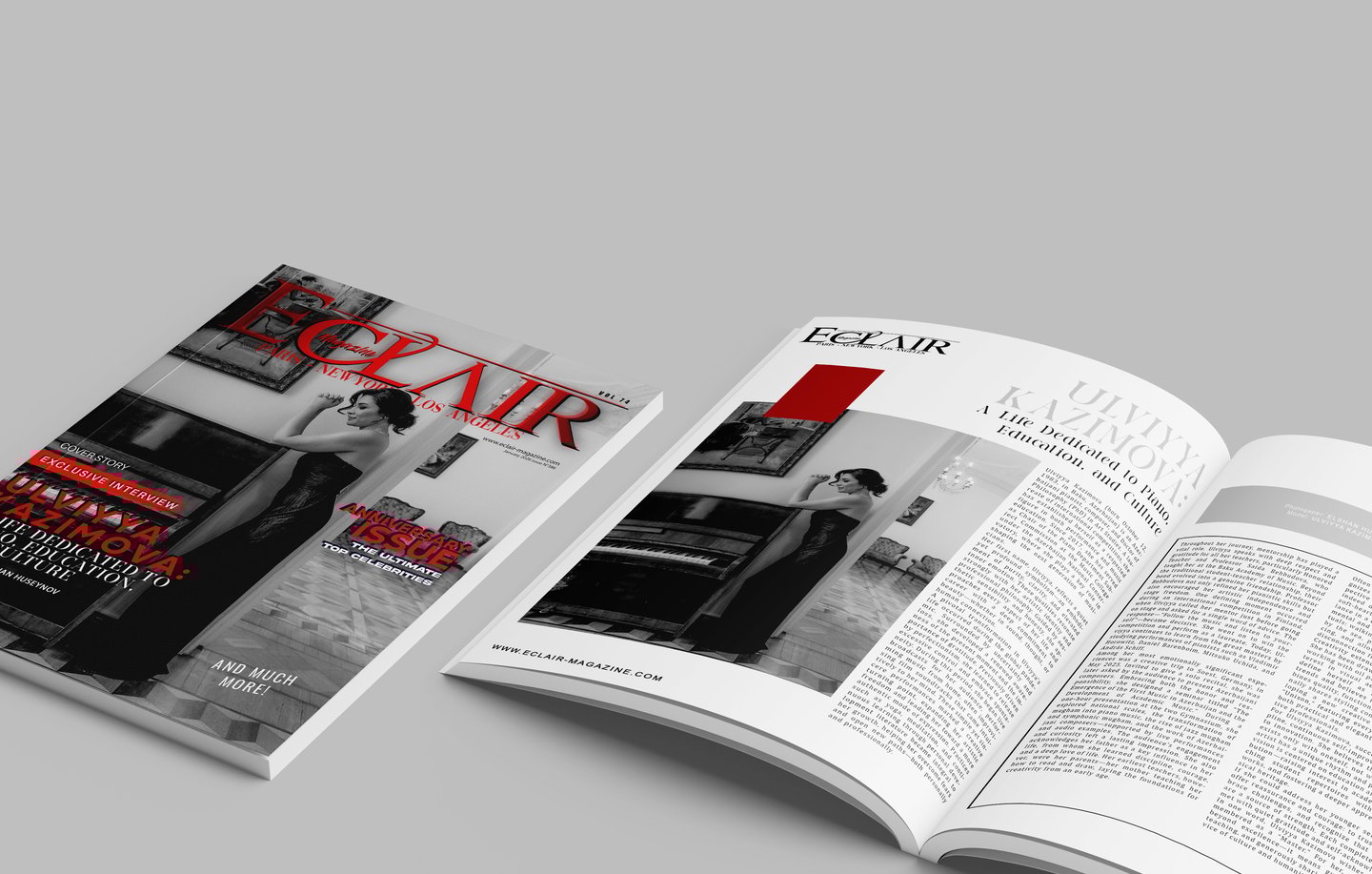
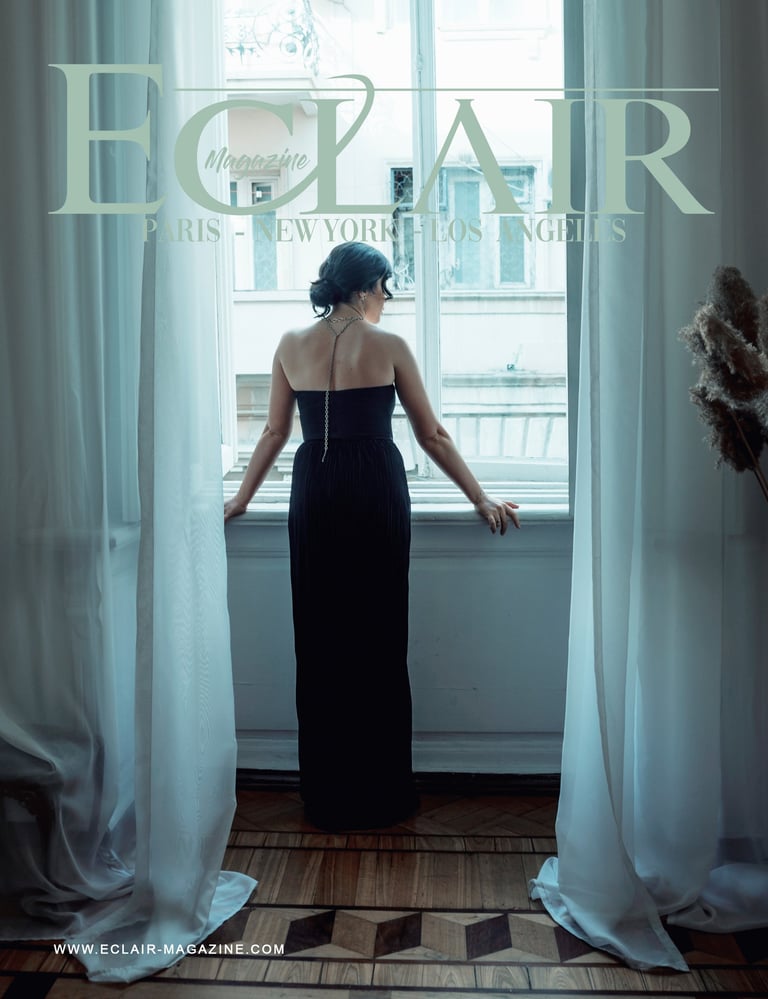
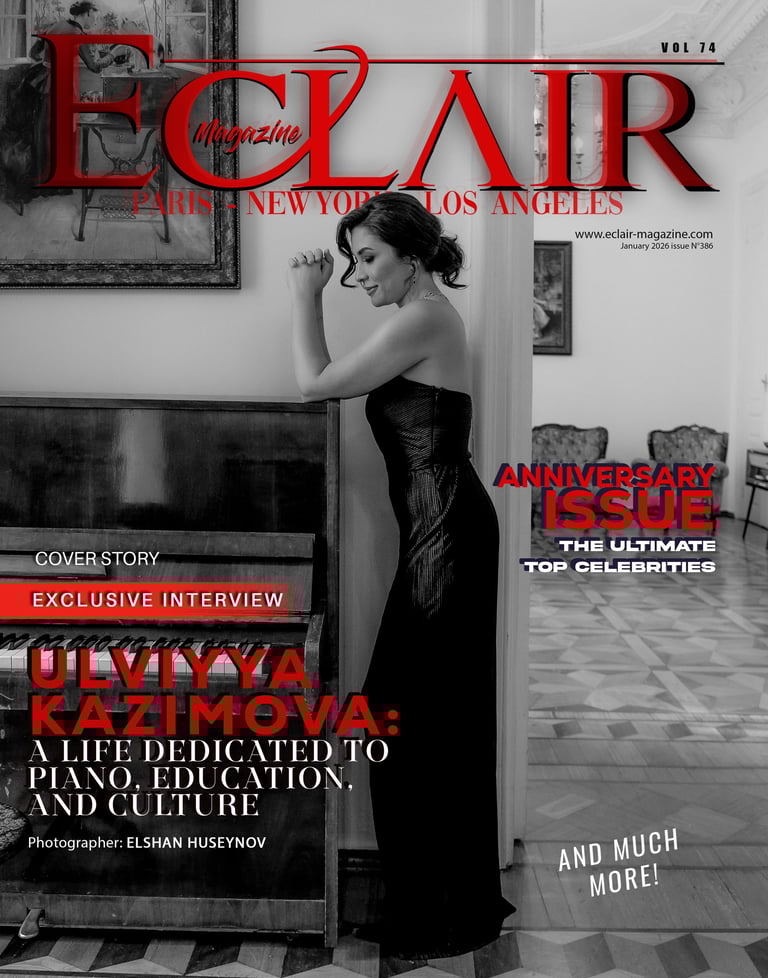
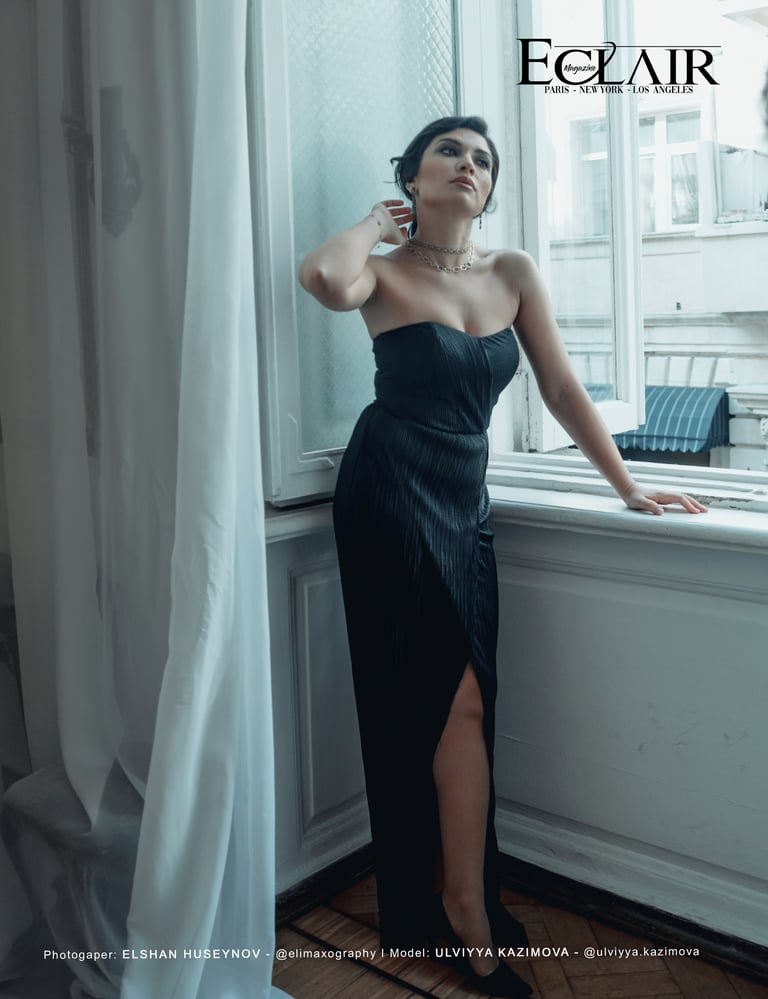
Photographer: Elshan Huseynov - @elimaxography
Model: Ulviyya Kazimova - @ulviyya.kazimova
10. What legacy would you like to leave behind — both personally and professionally?
For me, the first key to success is always working on it, following innovations, discipline and constant effort. I think this has always been the case and is still the case.
11. How do you navigate challenges or competition in your field with authenticity and grace?
Through my work, I want to educate people, contribute to the growth of interest in academic music, and enrich the repertoire of students with the works of new, modern composers. With all this, making a real and lasting contribution to culture is a real legacy for me.
They say that where there is competition, there is development. But I accept only one competition - the one with myself. Not with others. Because I believe that everyone has their own path, their own rhythm and uniqueness. It is impossible to repeat anyone; and trying to do this, I think, is ridiculous.
12. If you could say something to your younger self at the beginning of your journey, what would it be?
As for difficulties, they strengthen a person. Every time I pass a stage, I quietly say to myself, “I did it too” and thank myself.
Don’t be afraid of anything. If an idea comes to your mind, it means you have the potential to implement it. If you weren’t going to be able to, that idea wouldn’t have come to you. Be brave, Ulviyya.,
13. In one word, how would you like to be remembered — and why that word?
“Master”
Because for me, being a master means not only teaching, but also guiding, inspiring, and sharing what you know generously.
Here are the first sentences,
Am I interested in fashion? I wouldn’t say so, but I follow trends and I think I have a timeless style. I have managed to combine quality, functionality, and taste.
Quality, not quantity
We have made quality our habit. It’s not something that we just strive for – we live by this principle every day.